The Craft of Weaving
Discover the mathematical genius, tireless hours, and ancient lineages behind every thread of Sri Nidhi Silk House.
Why a handloom saree is an investment in art
A single powerloom can churn out 15 sarees in a single day, using synthetic nylon and automated patterns. In contrast, a Sri Nidhi Silk House handwoven saree takes 15 to 28 days of manual labor.
The weaver sits in a cool pit-loom dug into the earth to maintain silk moisture, coordinating hands and feet in rhythmic alignment. Every saree has minor structural signatures that tell you a real human hand passed the shuttle.

Preserved Weaving Techniques
The Kadwa Technique
Each design motif is woven individually on the loom without any floating threads on the reverse side. It is similar to sewing hand embroidery directly into the weave, requiring months of calculations.
Korvai Interlock
Requires two weavers operating three shuttles simultaneously. The body and border are woven separately and interlocked at the seams, creating a distinct contrasting border of unmatched durability.
Kora Warp & Silk Weft
Weaving translucent kora cotton and fine silk fibers together. The loom tension must be extremely precise to prevent breakage of the thin kora yarn, resulting in the famous gossamer texture.
Meet Our Master Artisans
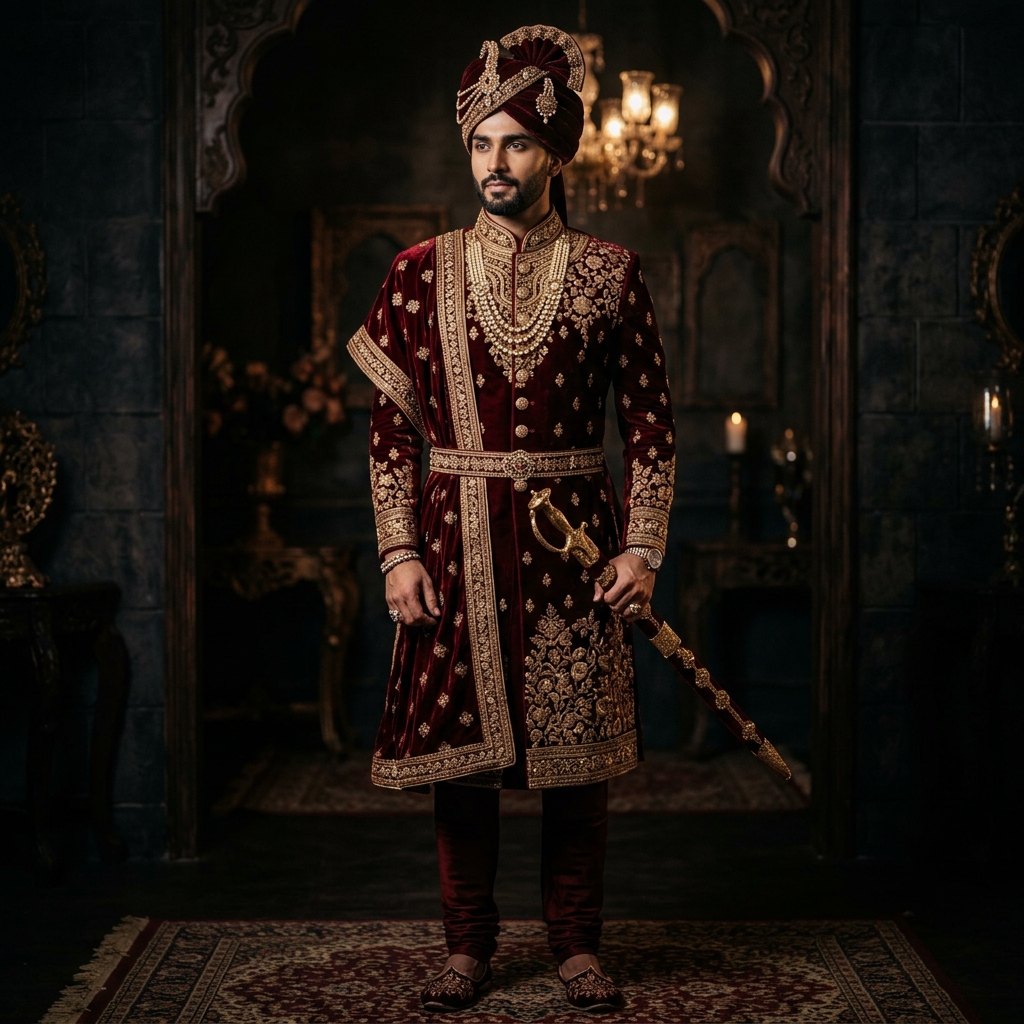
Master Weaver Kabir Prasad
"Each silk yarn has its own mood. In Kallur pit-looms, you have to weave according to the moisture of the soil and tension of the thread."
Kabir is a fourth-generation master weaver operating pit-looms in Kallur, Gubbi Taluk, Tumkur. He leads a traditional guild of 14 artisans maintaining the sacred Kadwa technique where extra gold wefts are drawn manually.
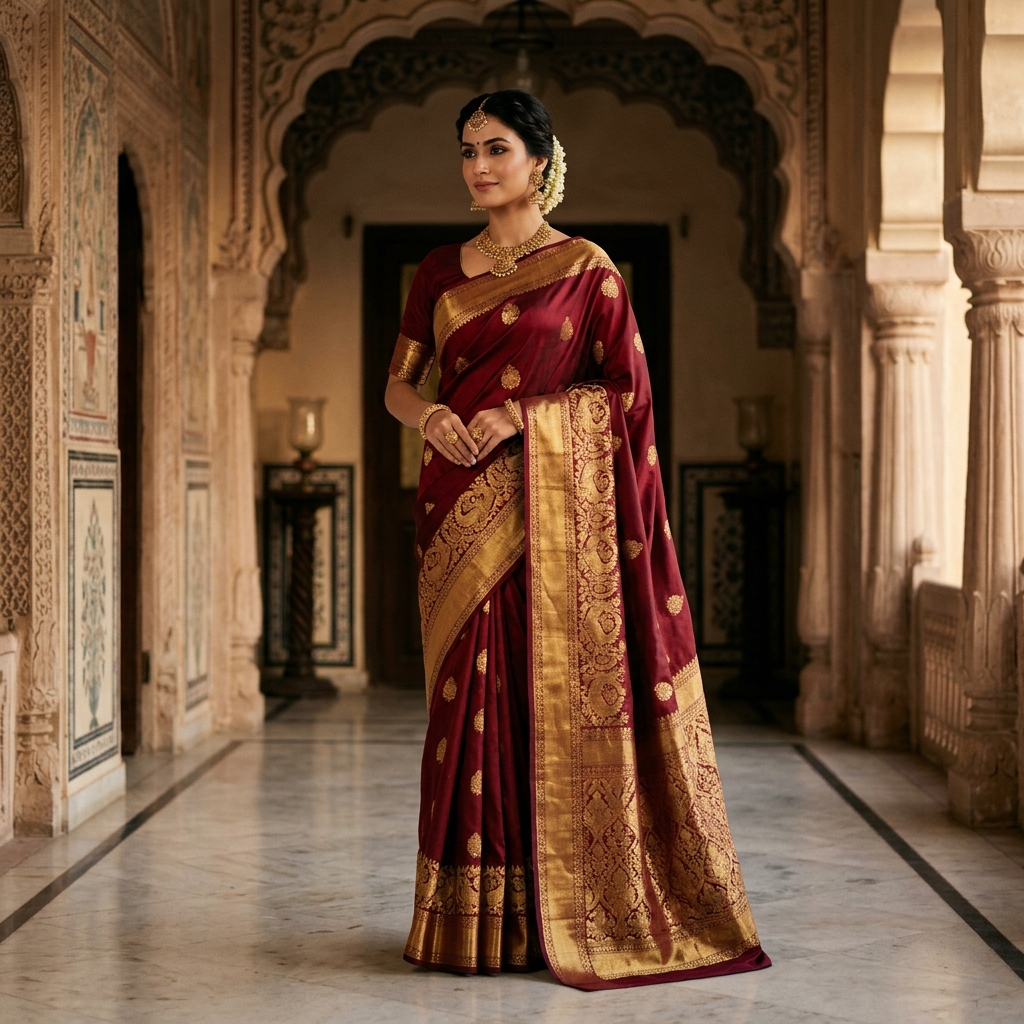
Devi Amma
"The border of a Kanjeevaram must lock with the body like two hands held together in prayer. That is the strength of Korvai handweaving."
Devi Amma specializes in the complex interlocked Korvai weaving process at the Sri Nidhi Kallur Guild. Her handwoven sarees are renowned for deep traditional colors and strict temple structural borders.